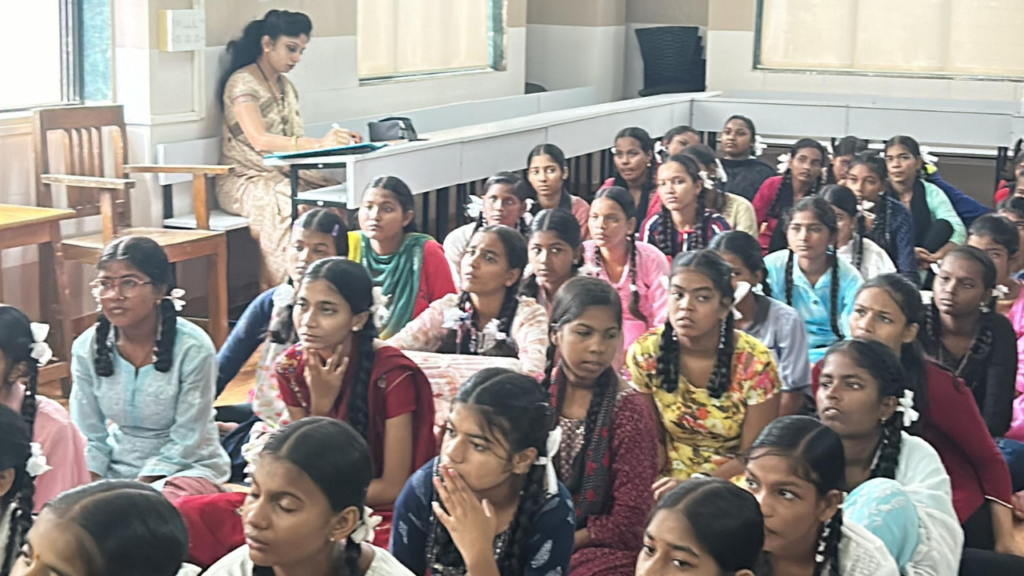
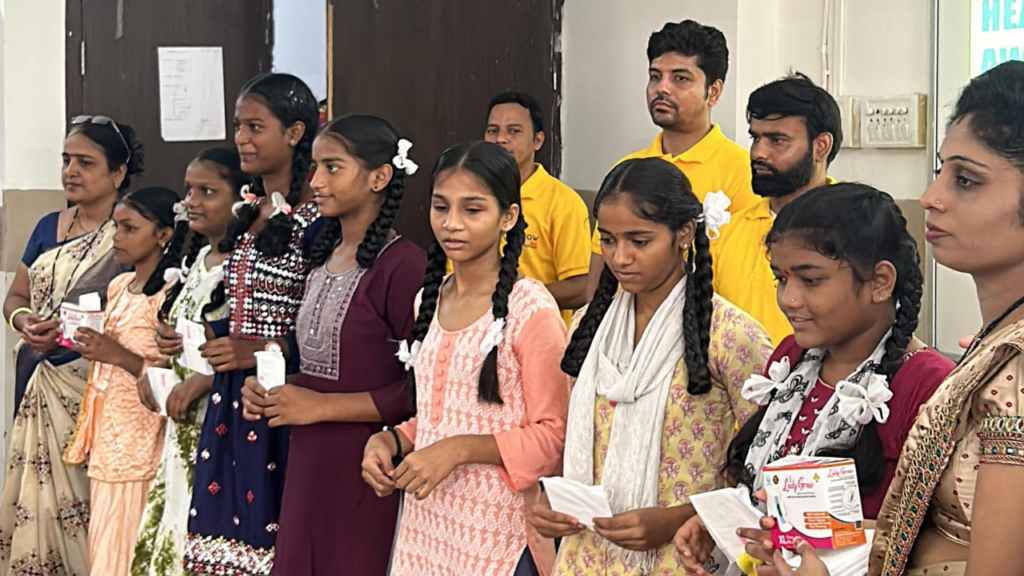
When women are educated, they not only improve their own lives but also uplift their families, communities, and societies. Despite significant progress, millions of women worldwide are still denied the opportunity to learn and grow due to social, economic, and cultural barriers. Empowering women through education is a fundamental step toward building a more equal, prosperous, and just world.
Why Women’s Education Matters
1. Breaking the Cycle of Poverty
Educating women has a direct impact on breaking the cycle of poverty. Studies show that educated women are more likely to secure better-paying jobs, contribute to household income, and ensure their children receive education, creating a ripple effect of economic empowerment across generations.
2. Health and Well-Being
An educated woman is more likely to make informed decisions about her health and her family’s well-being. Education increases awareness about nutrition, hygiene, and healthcare, leading to lower maternal and child mortality rates and healthier communities.
3. Gender Equality
Education is a critical pathway to achieving gender equality. It empowers women to challenge societal norms, demand equal opportunities, and advocate for their rights in personal and professional spheres.
4. Community and Societal Impact
Educated women play an active role in their communities, participating in decision-making processes and contributing to social and economic development. Their leadership and involvement foster inclusive growth and a better quality of life for everyone.
Barriers to Women’s Education
1. Socio-Cultural Norms:
In many regions, deep-rooted traditions and patriarchal attitudes limit women’s access to education. Early marriages, gender-based discrimination, and societal expectations often force girls to abandon their studies.
2. Economic Challenges:
Financial constraints are a significant barrier, especially in low-income families. When resources are limited, families often prioritize the education of boys over girls.
3. Lack of Infrastructure:
The absence of schools within accessible distances, lack of transportation, and inadequate facilities such as separate toilets for girls discourage families from sending their daughters to school.
4. Safety Concerns:
Fear of harassment or violence on the way to school or within educational institutions leads to parents pulling their daughters out of school prematurely.
WegGrow Global Welfare Foundation’s Role in Empowering Women Through Education
At WeGrow Global Welfare Foundation, we believe that education is the key to unlocking women’s potential. Our initiatives focus on bridging the gap in access to education for underprivileged girls and women. Here’s how we’re making a difference:
Educational Outreach Programs:
Conducting workshops in schools and colleges to promote awareness on topics such as health, gender equality, and skill development.
Scholarship Opportunities:
Offering financial assistance to girls from low-income families to help them continue their education without economic barriers.
Vocational Training:
Providing women with practical skills and training in areas like entrepreneurship, tailoring, and digital literacy to prepare them for sustainable careers.
Advocacy and Awareness Campaigns:
Partnering with communities to raise awareness about the importance of educating girls and dismantling societal taboos that hinder progress.