Menstrual hygiene is a critical yet often overlooked aspect of women’s health.
Across the globe, millions of women and girls face challenges in managing their periods safely and with dignity due to stigma, lack of education, and insufficient access to hygiene products. These barriers not only affect physical health but also contribute to gender inequality and missed opportunities in education and employment. Addressing menstrual hygiene is not just a health issue—it’s a matter of human rights and social progress.
Why Menstrual Hygiene Matters?
1. Health and Well-Being
Poor menstrual hygiene can lead to serious health problems, including urinary tract infections (UTIs), reproductive tract infections (RTIs), and other gynecological issues. The lack of access to clean menstrual products and facilities forces many women to use unsafe alternatives, such as rags or leaves, increasing the risk of infections and discomfort.
2. Education and Productivity
In many communities, girls miss school during their periods due to the absence of proper sanitation facilities or menstrual products. This absenteeism impacts their academic performance and can lead to high dropout rates. Women in the workforce face similar challenges, which can hinder their productivity and participation in economic activities.
3. Breaking the Stigma
Cultural taboos and misconceptions surrounding menstruation perpetuate silence and shame, preventing women from seeking the support and resources they need. Normalizing conversations about periods is essential to creating an environment where women and girls can manage their menstrual health without fear or embarrassment.
4. Gender Equality
Menstrual hygiene is directly linked to gender equality. Ensuring that women and girls have access to safe menstrual products, clean water, and proper sanitation allows them to participate fully in society, breaking down barriers to education, employment, and empowerment.
Challenges in Menstrual Hygiene Management
1. Lack of Awareness:
In many rural areas, the lack of education about menstruation leads to harmful practices and beliefs. Girls often receive no information about periods until they experience their first one, leaving them unprepared and scared.
2. Accessibility and Affordability:
Many women, particularly in low-income communities, cannot afford sanitary pads or tampons. The high cost of menstrual products pushes them toward unsafe alternatives, compromising their health.
3. Inadequate Sanitation Facilities:
A lack of clean toilets and washing facilities in schools and workplaces exacerbates the difficulties women face during menstruation, forcing many to stay home.
4. Cultural Taboos and Stigma:
Social norms in many cultures treat menstruation as dirty or shameful, discouraging open discussions and reinforcing harmful practices.
How NGOs Like WeGrow Global Welfare Foundation Are Making a Difference
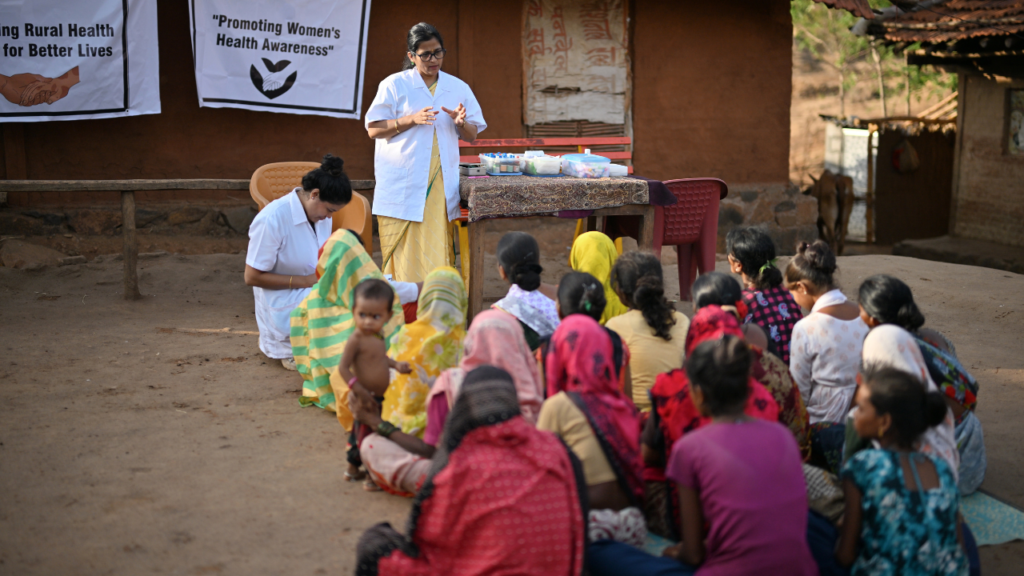
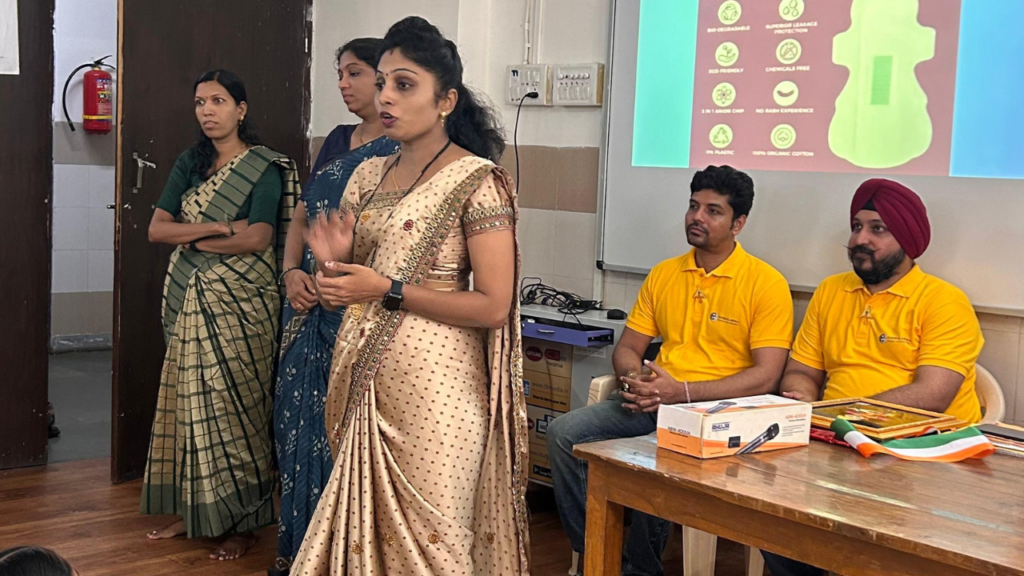
Organizations like WeGrow Global Welfare Foundation play a pivotal role in addressing menstrual hygiene challenges. Through our Health Awareness Campaigns, we:
Distribute sanitary pads to women and girls in underserved communities.
Conduct workshops to educate women and girls on menstrual health and hygiene.
Advocate for breaking taboos and normalizing conversations around menstruation.
Partner with schools to ensure that young girls are informed and equipped to manage their periods with dignity.